
Care Information
Equipment
At Bear Grip, our goal is to produce equipment that meets your training needs while providing maximum durability. Like any product, the lifespan of your Bear Grip equipment depends on how it is used and cared for. This guide will provide recommendations to help you maintain your equipment, ensuring safe training, long-lasting performance, and optimal functionality.
Wrist Wraps
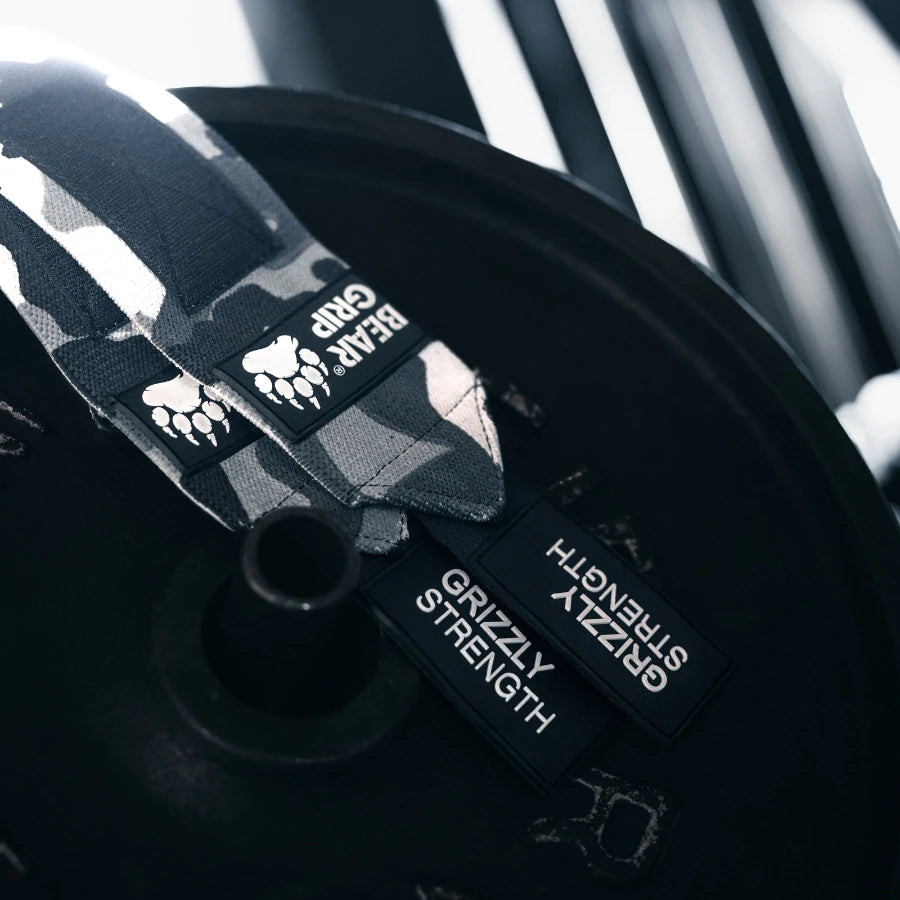
Wrist wraps are an essential part of any serious strength training setup. They provide the stability, compression, and alignment you need to protect your wrists and push heavier without sacrificing form. At Bear Grip, we’ve built a lineup that covers every lifter, whether you want everyday reliability, standout designs, or maximum stiffness for record-breaking lifts. Proper use and care are essential for getting the most out of your wrist wraps. The following guidelines exist to help ensure safety, durability, and consistent performance:
Safe Use
- Use wrist wraps for heavy or high-volume lifts that stress the wrists, such as bench press, overhead press, and heavy pulls. Avoid using them on warm-ups or light sets.
- Wrap wrists securely but comfortably as wearing them too tight can restrict blood flow, too loose reduces support.
- Always check wraps for signs of wear or damage before use. Replace if fraying, tearing, or loss of elasticity is observed.
- Wrist wraps are not designed to replace proper lifting technique, so use them as a supplement to safe, controlled training.
Cleaning & Maintenance
- Hand wash wraps in cold water with mild soap.
- Air dry completely before storing. Avoid wringing, machine washing, or exposure to direct heat to preserve elasticity and durability.
- Do not allow wraps to become saturated with sweat for extended periods; clean regularly to prevent odor and material breakdown.
Storage
- Store wrist wraps in a clean, dry environment.
- Keep away from direct sunlight or heat sources.
- Avoid folding or compressing wraps for long periods; gentle rolling or flat storage is recommended.
Lifting Straps
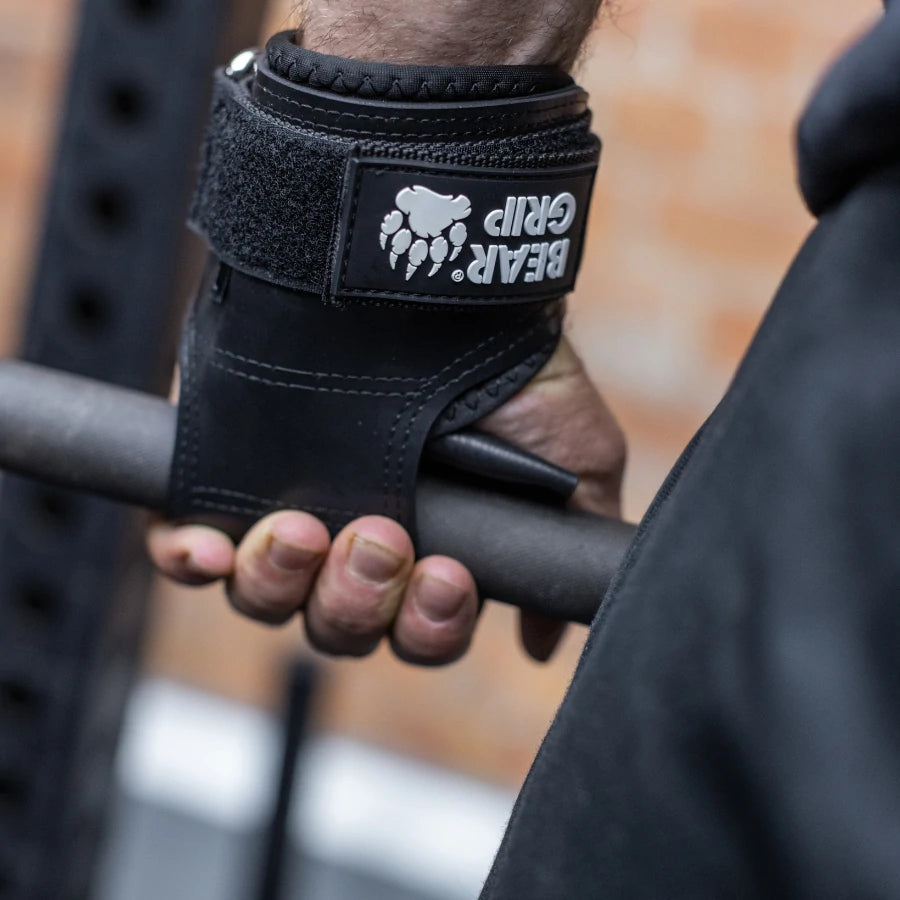
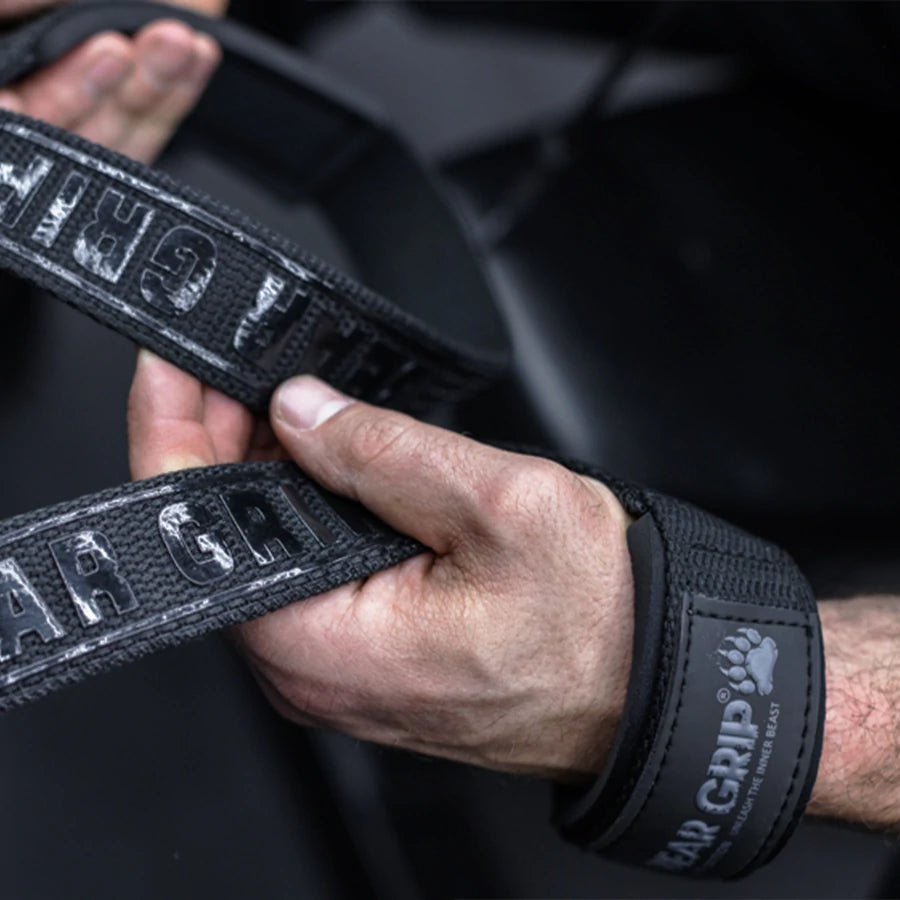
Lifting straps are designed to enhance grip security, reduce hand fatigue, and support performance during heavy lifting. To ensure optimal safety, comfort, and product longevity, they must be used and maintained in accordance with the following guidelines.
Usage Guidelines
- Lifting straps shall only be used for their intended purpose, which is to assist grip during pulling exercises such as deadlifts, rows, shrugs, and Olympic lifts.
- Always inspect straps before use. Do not use straps that show signs of excessive wear, fraying, cracking, or damaged stitching.
- Ensure straps are properly secured around the wrist and bar before lifting. If uncertain, consult instructional material or Bear Grip support for proper setup.
- Use appropriate strap type for the intended activity:
- Classic, Power, and Leather Straps for heavy pulls and strength training.
- Quick Release Straps for Olympic or dynamic lifts requiring fast disengagement.
- Figure 8 Straps for maximum-load lifts such as deadlifts and strongman training.
- Always lift under controlled conditions and with proper form. Straps are not a substitute for correct lifting technique.
Care and Maintenance
- Keep straps dry. Do not soak or expose them to moisture for extended periods.
- After use, wipe clean with a damp cloth to remove sweat and chalk, then air dry fully.
- Do not machine wash, tumble dry, bleach, or iron, as this may weaken materials or padding.
- Leather straps should be cleaned using a suitable leather conditioner or wiped with a dry or slightly damp cloth.
- Store straps indoors in a clean, dry environment at room temperature (approx. 18–27°C).
- Avoid prolonged exposure to direct sunlight, heat sources, or damp conditions to maintain material integrity.
Inspection and Safety
- Regularly check for loose stitching, cracked leather, or worn neoprene padding.
- Immediately discontinue use if damage is visible.
- Ensure all straps, loops, and attachment points are intact and secure before each training session.
- Do not modify, cut, or alter straps in any way.
Additional Notes
- Straps are available in various materials, including cotton, polyester, nylon, leather, and neoprene blends. Choose based on comfort, support level, and training style.
- Straps are suitable for wrist circumferences of approximately 15–23 cm, with standard dimensions of 59 cm length × 4 cm width (varies by model).
- Follow the specific care instructions provided with each strap type to ensure long-term performance and safety.
Grips
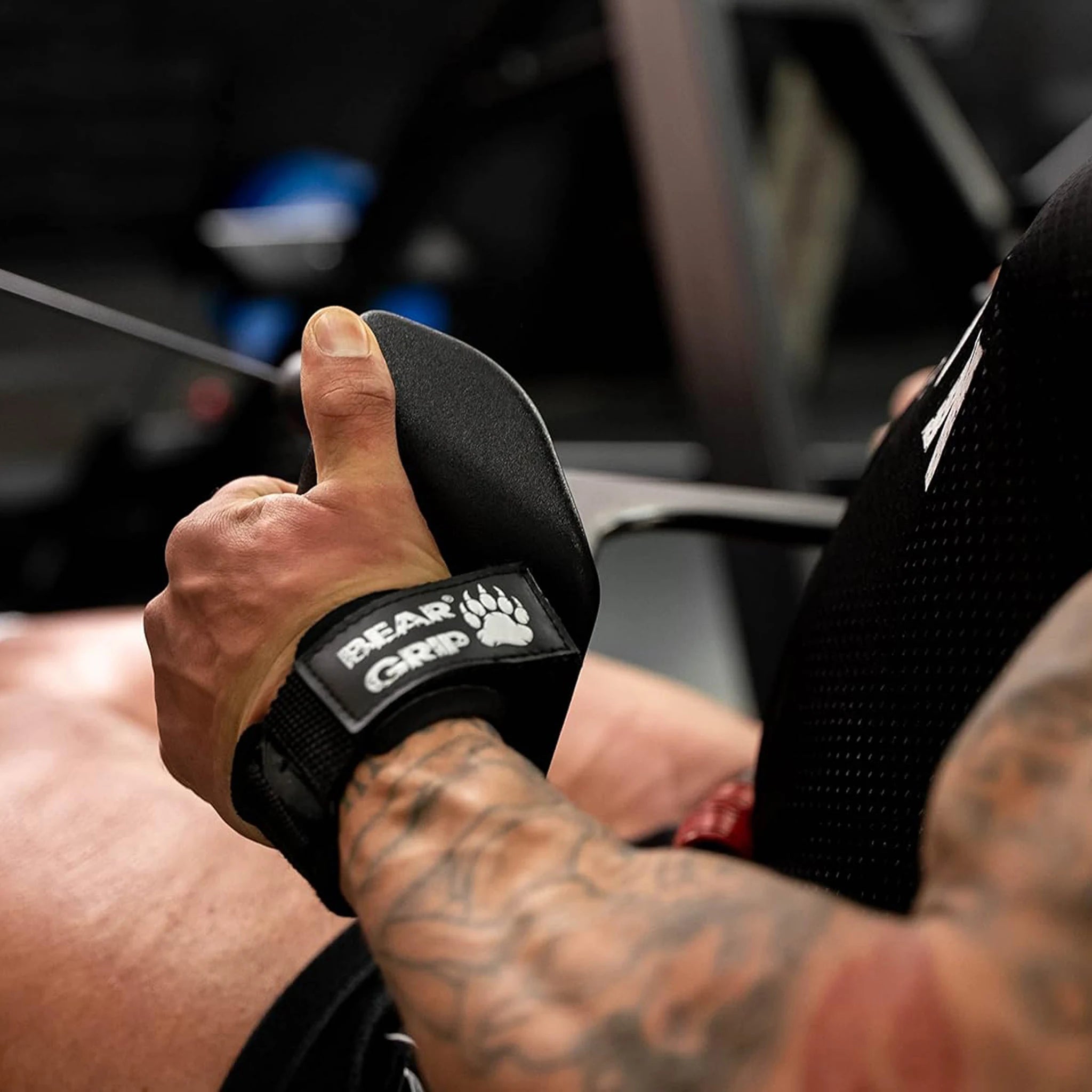
Grips are essential for athletes and lifters who want to enhance performance, maintain control, and protect their hands and wrists under heavy or high-volume training. At Bear Grip, every product in our lineup is designed for strength, durability, and comfort, in other words, helping you train longer, lift heavier, and stay protected. From Multi Grip Straps to CrossFit Grips, our range supports all types of training, whether you’re a casual gym-goer or a competitive athlete. Proper use and care are key to getting the best results from your grips. The following guidelines ensure safety, durability, and consistent performance:
Safe Use
- Use Multi Grip Straps or CrossFit Grips during heavy lifts or high-volume sessions that stress the wrists or hands, such as deadlifts, pull-ups, rows, and barbell cycling.
- Avoid using grips for warm-up or light sets to allow your natural grip to develop.
- Secure straps or grips comfortably but firmly as over-tightening may restrict blood flow, while loose wrapping may reduce stability and support.
- Always inspect your straps or grips for fraying, tearing, or worn areas before use. Replace immediately if damage or loss of elasticity is visible.
- Grips are a tool for safety and performance, not a replacement for proper form or technique.
Cleaning & Maintenance
- Wipe Rubber, Nylon, Microfiber, and Neoprene products with a damp cloth after training to remove sweat or chalk. Hand wash gently with cold water and mild soap if needed. Air dry completely before storing. Avoid machine washing or direct heat exposure.
- Wipe Leather and Nubuck products lightly with a dry or slightly damp cloth. Do not soak. For leather, condition occasionally with leather care products to maintain flexibility. For nubuck, use a soft brush to remove dirt and preserve texture.
- Brush off chalk or dust from Suede or Microfiber CrossFit Grips after each session. Spot clean gently with mild soap and water if required.
- Hand wash or machine wash Sweatbands in cold water and air dry to maintain elasticity.
- Do not leave products saturated with sweat for extended periods; clean regularly to prevent odor and material breakdown.
Storage
- Store grip gear in a cool, dry environment away from direct sunlight or heat sources.
- Avoid folding or compressing wraps, straps, or grips for long durations; roll or lay the gear flat instead.
- Keep leather and nubuck materials in breathable spaces to preserve texture and strength.
Belts
Weight lifting belts are a fundamental part of any serious training setup. They provide the stability, core support, and spinal alignment lifters need to train heavier and safer without compromising form. At Bear Grip, every belt is built for performance, comfort, and durability, and designed to meet the needs of everyone from everyday gym-goers to professional strength athletes. Proper use and care are essential to maintain the belt’s structure, comfort, and reliability. The following guidelines ensure safety, longevity, and consistent support:
Safe Use
- Use weight lifting belts during heavy compound lifts such as squats, deadlifts, and presses, or during max-effort sets that require extra stability.
- Position the belt securely around your midsection, tightening it enough to brace your core without restricting breathing.
- Avoid excessive tightening, as it may reduce comfort and limit performance.
- Inspect your belt regularly for signs of cracking, fraying, or buckle damage; replace if any structural weakness is visible.
- Belts are meant to enhance form and stability, not replace proper technique, so always lift with control and correct posture.
Cleaning & Maintenance
- Wipe Leather and Suede Belts gently with a dry or slightly damp cloth. Condition occasionally with leather care products to maintain flexibility. Avoid soaking or direct heat.
- Hand wash Nylon and Neoprene Belts gently in cold water with mild soap, then air dry completely. Do not machine wash or expose to prolonged sunlight.
- Clean metal buckles, prongs, levers, and chains after use by wiping with a dry or slightly damp cloth to remove sweat and residue. Dry immediately and thoroughly. Do not soak or store while wet, as trapped moisture can cause corrosion over time.
- Allow all belts to air dry fully after use, especially if exposed to sweat, to maintain shape and strength.
Storage
- Store your belt in a cool, dry environment, away from direct sunlight, heat sources, or moisture.
- Avoid folding or rolling tightly for long periods, instead store flat or gently curved to maintain structure.
- Keep metal buckles or chains dry and clean to prevent damage or rust.
Grips & Pads
Training gloves and grip pads are essential for athletes and lifters who want to protect their hands, enhance grip, and train with confidence. At Bear Grip, we design every glove and pad with precision, combining comfort, durability, and performance to suit every style of training. Whether you need full coverage, breathable support, or minimal palm protection, our lineup ensures your grip stays strong and your hands stay protected through every session. Proper use and care will maintain the quality, fit, and longevity of your gear.
Safe Use
- Use gloves or pads during high-intensity, heavy, or high-rep workouts to reduce friction, calluses, and hand fatigue.
- Select the right type of glove or pad based on training style: full protection for longer sessions, breathable gloves for comfort and ventilation, or open gloves and pads for natural grip and flexibility.
- Ensure gloves fit snugly but not too tight to maintain circulation and comfort.
- Always inspect gloves and pads before training; replace if the material shows signs of wear, tearing, or loss of grip texture.
- Training gloves and pads are designed to support proper technique, not replace it, so maintain correct form and controlled movement at all times.
Cleaning & Maintenance
- Wipe Leather & Suede Sections clean with a damp cloth and mild soap. Avoid soaking or machine washing.
- Hand wash Fabric, Neoprene, Nylon & Microfiber gently in cold water with mild soap. Air dry completely before storing.
- Do not wring or expose Gel Padded Areas to direct heat to prevent damage to the gel layers.
- Wipe or hand wash Grip Pads after use to remove chalk and sweat. Avoid high temperatures and prolonged moisture exposure.
- Clean gloves regularly to prevent odor, bacteria buildup, and material degradation.
Storage
- Store in a cool, dry environment, away from direct sunlight or heat sources.
- Allow gloves and pads to dry fully before storing to prevent odor or mold.
- Keep flat or loosely folded to maintain shape and flexibility.
Knee & Elbow Sleeves
Knee and elbow sleeves are vital tools for lifters who demand protection, compression, and confidence in every session. Designed to deliver warmth, stability, and joint security, Bear Grip sleeves help you lift heavier, train longer, and recover smarter—all while maintaining proper form and alignment. Whether you’re pushing for a new PR or grinding through high-volume sets, proper use and care will maximize performance and longevity.
Safe Use
- Use knee and elbow sleeves for heavy or high-volume lifts that place stress on the joints, such as squats, cleans, lunges, bench press, overhead press, and dips.
- Avoid using them during warm-ups or light sets; save them for working sets where joint support and stability are needed most.
- Ensure sleeves fit snugly but comfortably. Too tight can restrict movement or blood flow; too loose will reduce compression and effectiveness.
- Always inspect sleeves before training. Replace if fraying, tearing, or loss of elasticity is present.
- Sleeves are designed to support proper lifting mechanics, not replace them. Use as an aid to safe, controlled technique.
Cleaning & Maintenance
- Hand wash sleeves in cold water with mild soap.
- Air dry completely before storage. Avoid wringing, machine washing, or exposing to direct heat to maintain compression and elasticity.
- Do not allow sleeves to remain damp or saturated with sweat for long periods, instead clean regularly to prevent odor and material breakdown.
Storage
- Store in a clean, dry place away from direct sunlight or heat sources.
- Keep flat or gently rolled to prevent creases or compression damage.
- Avoid folding or compressing sleeves tightly for long periods to preserve their shape and structure.
Bands
Lower body strength and mobility training rely on precision, control, and consistency. Bear Grip’s lineup of ankle cuffs, hip bands, and resistance bands is built to help athletes perform at their best, whether targeting glutes, isolating legs, building strength, or improving mobility. Each product is engineered for durability, comfort, and performance under load. Proper use and care will ensure maximum longevity and safety.
Safe Use
- Use cuffs and bands for controlled resistance training, isolation work, or activation drills.
- Ensure proper fit as all cuffs and bands are one-size with adjustable straps for secure placement.
- For cable-based exercises, verify D-rings and attachments are secure before lifting.
- Avoid overstretching resistance bands beyond their designed limits to prevent tearing or snapping.
- Always inspect bands, cuffs, and handles before training. Replace any showing signs of fraying, cracks, or material wear.
- Use these tools to support proper movement patterns, not replace correct lifting or training form.
Cleaning & Maintenance
- Hand wash cuffs and fabric bands gently in cold water using mild soap.
- Wipe latex or resistance bands with a damp cloth after use.
- Air dry completely before storage, and never wring, machine wash, or apply direct heat.
- Keep all metal components dry to prevent rust.
- Clean regularly to prevent buildup of sweat, odor, and material breakdown.
Storage
- Store in a clean, dry environment, away from moisture and direct sunlight.
- Avoid sharp folds or compression for long periods, instead keep bands rolled or laid flat.
- Do not place near heat sources to preserve elasticity and material integrity.
- For portable sets, store in the provided carry bag after drying completely.